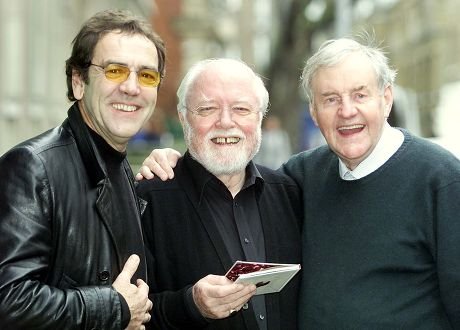
The Legacy of Robert Attenborough: An Icon in Nature Conservation and Storytelling
Early Life and Education
Robert Attenborough was born on May 8, 1926, in Isleworth, London, into a family that valued education and nature. Raised in a household where intellectual curiosity was encouraged, Robert’s early experiences fostered a deep appreciation for the natural world. His father, Frederick Attenborough, was a teacher and later the principal of Leicester University, and his mother, Mary Attenborough, instilled in her children a love of literature and storytelling. This nurturing environment significantly influenced Robert’s eventual pursuit of a career in the natural sciences and media.
During his childhood, Robert often explored the lush green spaces of Leicester, where the family moved shortly after his birth. These formative adventures instilled a sense of wonder about nature that would later become central to his work. His passion for natural history was further ignited by his early exposure to wildlife, particularly through books and broadcasts that illustrated the beauty of the natural world. Such experiences proved pivotal in shaping his understanding of ecological balance and biodiversity.
Attending Leicester Grammar School, Robert excelled academically, earning a scholarship to study zoology at the University of Cambridge. There, he flourished under the guidance of eminent scientists and deepened his knowledge of the living world. This period was crucial, as he engaged with many influential figures in conservation and species protection. Robert’s education culminated in his Bachelor of Arts degree and laid a strong foundation for his subsequent career.
Following his academic journey, Robert Attenborough’s early life experiences, punctuated by robust educational achievements, propelled him towards a path of environmental storytelling, eventually leading him to become an iconic figure in nature conservation. This combination of influences set the stage for his later work as a broadcaster and advocate for the preservation of the natural world.
Career Highlights and Contributions
Robert Attenborough is renowned for his substantial contributions to wildlife filmmaking and education, making a profound impact on the field of nature conservation. His illustrious career spans several decades during which he has produced a remarkable suite of documentaries that have captivated audiences and raised awareness about critical environmental issues.
One of the standout moments in his career was the acclaimed series “The Blue Planet,” which showcased the wonders of the ocean’s depths and highlighted the threats facing marine ecosystems. This groundbreaking series not only won numerous awards but also served as a pivotal educational tool, encouraging viewers to consider their relationship with the natural world. Robert Attenborough’s ability to present complex scientific concepts in an accessible manner has made him a beloved figure in wildlife education.
Another milestone in his career is the series “Planet Earth,” which set new standards in documentary filmmaking with its breathtaking visuals and compelling storytelling. This landmark project explored various terrestrial and aquatic ecosystems, painstakingly documenting the intricate connections within the natural world. Attenborough’s narration lent a gravitas to the series, enhancing its emotional resonance and helping to forge a deeper connection between viewers and the environment.
Throughout his career, Robert Attenborough has been a staunch advocate for conservation efforts. He has founded organizations and collaborated with various groups aimed at protecting endangered species and habitats. His tireless advocacy has inspired countless individuals to take action in support of wildlife preservation. Attenborough’s work has not only entertained but also educated and motivated people around the globe, ensuring that future generations will have the opportunity to appreciate the beauty and diversity of the natural world.
Impact on Nature Conservation
Robert Attenborough has been a pivotal figure in the realm of nature conservation, utilizing his acclaimed storytelling abilities to raise awareness about the pressing issues facing our environment. Through a career spanning decades, Attenborough’s documentaries have not only captivated global audiences but also educated them on the intricate relationships within ecosystems and the critical need for biodiversity preservation. His pioneering work has transformed how nature documentaries are viewed, blending entertainment with powerful messages that advocate for change.
Key initiatives supported by Robert Attenborough include various conservation projects aimed at protecting endangered species and preserving natural habitats. His involvement with organizations such as the World Wildlife Fund and other environmental groups has amplified conservation efforts worldwide. Through his films, Attenborough has uniquely illustrated the delicate balance of nature, often highlighting specific species and their struggles against habitat destruction, climate change, and pollution. This storyline not only appeals to viewers emotionally but also emphasizes the urgency for actionable solutions.
Furthermore, Attenborough’s impactful narrative extends beyond the screen into public policy and environmental stewardship. He has been a steadfast advocate for stronger environmental legislation and sustainable practices, urging governments and individuals alike to take responsibility for protecting our planet. His engagements in discussions surrounding biodiversity and conservation policy have significantly influenced legislative frameworks aimed at addressing these critical ecological challenges. The legacy Robert Attenborough creates is not merely one of storytelling but of actionable change and ongoing commitment to preserving the natural world for future generations.
Personal Philosophy and Public Reception
Robert Attenborough, a revered figure in nature conservation and storytelling, has long held a personal philosophy that emphasizes interconnectedness and respect for all living creatures. His deep appreciation for the natural world is encapsulated in his oft-quoted belief that humanity is merely a part of a greater ecosystem. Attenborough has stated, “We are on this planet for only a tiny fraction of its history, and we have a duty to ensure that we protect what remains for future generations.” This perspective underpins his body of work, presenting nature not as a backdrop but as a central character to engage with and protect.
The public reception of Attenborough’s work has been overwhelmingly positive. Audiences worldwide have resonated with his unique storytelling style, characterized by a blend of scientific accuracy and heartfelt narrative. Critics and peers alike laud his ability to convey complex concepts in a manner that is both compelling and accessible. David Attenborough, Robert’s brother and a fellow natural historian, has remarked on the transformative impact Robert’s programs have had on public awareness regarding climate change and biodiversity loss. He notes that Robert has indeed fostered a new understanding of the critical role humans play in preserving the planet.
Robert Attenborough’s narratives often evoke a profound emotional response, encouraging viewers to reflect on their relationship with nature. This emotional depth sets his work apart, enabling it to transcend traditional educational formats and connect with a diverse audience. Additionally, his passion for wildlife conservation has sparked discussions across multiple platforms, further solidifying his influence. The depth of his commitment to nature conservation resonates with many, reinforcing the belief that storytelling can be a powerful tool for environmental advocacy. Through his unique lens, Robert Attenborough has inspired countless individuals to take action towards preserving our planet.