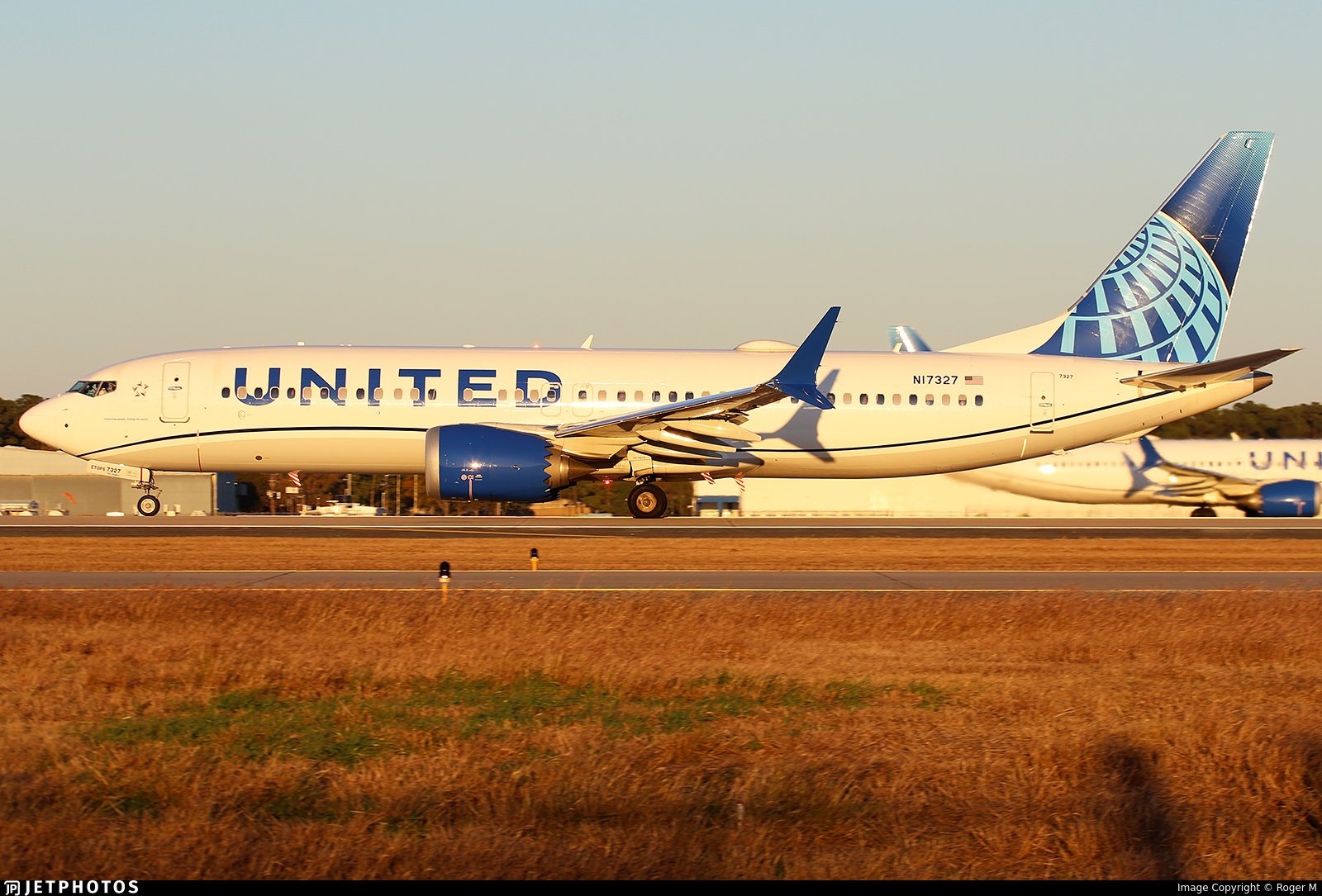
Unexpected Detours: The Story Behind United Flight UA109 Diversion
Overview of United Flight UA109 and its Route
United Flight UA109 is a commercial airline service operated by United Airlines, linking the bustling city of Los Angeles, California, to the vibrant metropolis of New York City. This transcontinental flight is notable for its substantial passenger volume, reflecting the high demand for air travel between these two major hubs. The flight’s origins commence at Los Angeles International Airport (LAX), where passengers from various backgrounds come together to board this significant journey.
The intended destination for UA109 is Newark Liberty International Airport (EWR), which serves as a vital gateway for travelers heading to the northeastern region of the United States. The flight typically covers a distance of approximately 2,800 miles and is usually scheduled to operate in approximately five to six hours, dependent on factors like weather and air traffic conditions. The service is characterized by its efficiency, providing a crucial link for business and leisure travelers alike.
The route taken by United Flight UA109 generally follows a northwest trajectory, flying over various states such as Arizona, New Mexico, and Texas, before making its approach to the East Coast. Noteworthy details for this flight include its incorporation of modern aircraft designed for improved fuel efficiency and passenger comfort. United Airlines consistently aims to enhance the onboard experience, offering amenities that cater to the diverse needs of its travelers. Given the popularity of this route, flight UA109 embodies not only a means of transportation but also a reflection of the interconnectedness of American society.
On a routine day of travel, United Flight UA109 found itself facing unforeseen circumstances that necessitated an unscheduled diversion. Several factors, primarily concerning adverse weather conditions and technical issues, contributed to this decision. Weather plays a crucial role in the operation of commercial flights; thus, it was one of the first elements influencing the diversion of United Flight UA109. Reports indicated that the flight encountered severe turbulence and rapidly changing weather patterns that posed a significant risk to passenger safety during its route.
In addition to unfavorable weather, the aircraft suffered from technical issues that required immediate attention. These issues may have included engine performance anomalies or instrumentation malfunctions, which could compromise flight safety. Aircraft are equipped with sophisticated monitoring systems to detect such problems, and it is standard protocol for the flight crew to prioritize safety by either resolving the issue or diverting to the nearest airport. In this instance, the crew’s vigilance enabled them to make a well-informed decision for the safety of all aboard.
Furthermore, emergencies cannot be overlooked as a contributing factor to the diversion. In-flight medical emergencies, passenger disturbances, or unexpected mechanical failures may prompt a change in course, regardless of pre-flight assessments. The crew of United Flight UA109 had to evaluate these scenarios quickly to determine the safest outcome. Ultimately, due to the convergence of unavoidable weather conditions, technical difficulties, and possible emergency situations, United Flight UA109 was diverted to an alternate airport where all parties could address the issues effectively.
Passenger Experiences and Reactions
The diversion of United Flight UA109 was an unexpected event that left many passengers grappling with a mix of emotions. Upon learning about the change in their travel plans, several travelers experienced initial shock and disbelief. The sudden announcement regarding the need for an unscheduled landing triggered a range of reactions—some were anxious about the reasons behind the diversion, while others expressed frustration over the disruption to their itinerary.
Throughout this unforeseen situation, communication from the airline played a crucial role in alleviating passenger concerns. Flight attendants made concerted efforts to keep the passengers informed, providing updates on the flight status and the expected duration of the layover. Many passengers appreciated this transparency, which helped to build a sense of trust amid the uncertainty. Although emotions ran high, a significant number expressed gratitude for the professionalism displayed by the crew during this unexpected detour.
Additionally, the atmosphere within the cabin reflected mixed feelings—some individuals turned to their companions for reassurances, while others took to their mobile devices to update family and friends about the unplanned developments. The airline took steps to address passenger needs if the diversion would result in extended waiting times. Support staff at the arrival airport ensured that food and beverage services were provided, mitigating some of the discomfort associated with the diversion.
Ultimately, the response from United Airlines in terms of customer service and communication proved to be pivotal during the UA109 diversion. By prioritizing passenger concerns and keeping them informed, the airline aimed to ease tensions and enhance the overall experience during this unexpected change in their travel plans.
Analysis of Airline Protocols and Safety Measures
In the aviation industry, ensuring passenger safety is of paramount importance, and United Airlines is no exception. The protocols relating to flight diversions, such as in the case of United Flight UA109 diversion, are meticulously designed to safeguard passengers and crew. Such contingencies may arise from various factors, including medical emergencies, severe weather conditions, or technical issues. United Airlines, adhering to both internal policies and applicable regulatory frameworks, enforces strict guidelines which dictate the actions to be undertaken during unforeseen circumstances.
Upon recognizing a potential threat to safety, flight crew members are trained to assess the situation and make prompt decisions. The decision to divert a flight is not taken lightly; it involves direct communication between pilots, air traffic control, and airline operations centers. During the United Flight UA109 diversion, these established protocols would have been diligently enacted, prioritizing passengers’ well-being and aiming for minimal disruption.
The implications of diversions for airlines are significant. Not only do they incur additional operational costs—fuel, landing fees, and potential rebooking of passengers—but they may also impact customer loyalty and satisfaction. United Airlines implements comprehensive customer service strategies to address the fallout from such events, ensuring that affected passengers receive timely information and support. Efforts include rebooking options, accommodation arrangements, and catering to special needs. The airline’s responsiveness can significantly influence public perception and is essential for maintaining trust.
Furthermore, the industry adheres to widely accepted standards and best practices regarding flight diversions. These standards, often shaped by organizations like the International Air Transport Association (IATA), promote consistency and a unified response among airlines worldwide. By following these protocols, airlines can effectively manage similar incidents in the future, improving the overall safety and experience for travelers.