Exploring Classroom 30x: A New Frontier in Education
Introduction to Classroom 30x
Classroom 30x is an innovative educational concept designed to transform the traditional learning environment, thereby enhancing student engagement and achievement. The initiative schools and educators often leverage incorporates advanced teaching methodologies and digital technology, aiming to create a more personalized and diverse experience for learners. As classrooms evolve to adapt to the dynamic needs of students, Classroom 30x represents an essential step towards modernizing education.
The origin of Classroom 30x can be traced back to the increasing demand for more effective teaching strategies that cater to various learning styles and paces. This initiative emerged from a collective understanding among educators, technologists, and researchers that traditional classroom settings were often insufficient for meeting the diverse needs of today’s students. Inspired by educational psychology and current pedagogical theories, Classroom 30x seeks to maximize student potential by offering a multidimensional learning experience.
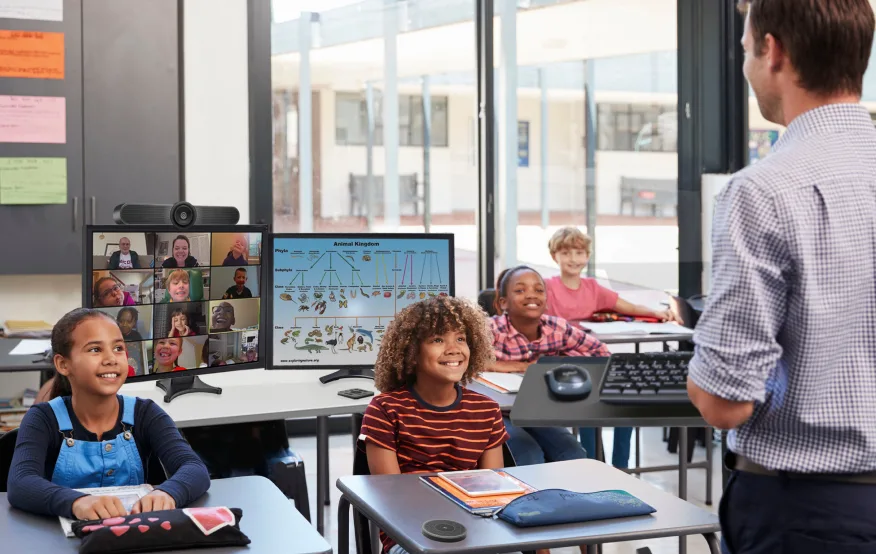
At its core, Classroom 30x is defined by its commitment to flexibility and adaptability. It leverages a mix of in-person and digital learning tools to extend the learning possibilities beyond four walls. Through project-based learning, collaborative activities, and technology integration, Classroom 30x aims to prepare students for a rapidly changing world. The initiative emphasizes the importance of critical thinking, creativity, and collaboration, skills that are essential in today’s workforce.
The significance of Classroom 30x in the modern educational landscape cannot be overstated. As education systems worldwide strive for improvement and relevancy, this model highlights the importance of student-centric approaches that foster lifelong learning. By embracing the essence of Classroom 30x, schools can cultivate an environment where every learner has the opportunity to thrive and succeed.
The Unique Features of Classroom 30x
Classroom 30x represents a significant evolution in educational paradigms, setting itself apart from traditional teaching methodologies through its innovative approaches. One of its most prominent features is the integration of cutting-edge technology into the learning environment. This is achieved via interactive software and advanced digital tools that facilitate lesson planning, assessment, and interactive learning experiences. The incorporation of technology allows students to engage with materials in ways that were previously unimaginable, transforming the standard classroom experience into a dynamic learning journey.
Another essential characteristic of Classroom 30x is the emphasis on flexible learning environments. Unlike traditional classrooms, which often adhere to a rigid structure, Classroom 30x offers adaptable spaces that can be customized based on the needs of students and various instructional approaches. This flexibility allows educators to create an engaging atmosphere that fosters collaboration and creativity among students, encouraging participation and active involvement in their own learning processes.
Moreover, Classroom 30x adopts a student-centered approach to education. This model places the student at the heart of the educational experience, where personalized learning plans are crafted to address individual needs and learning styles. Such tailored instruction not only enhances student engagement but also empowers them to take ownership of their education. This intent cultivates deeper learning and critical thinking skills, bridging the gap between theoretical knowledge and practical application.
To summarize, the unique features of Classroom 30x—its innovative teaching strategies, technological integration, flexible learning environments, and student-centered methodologies—distinguish it from conventional educational practices. By focusing on enhancing engagement and participation, Classroom 30x paves the way for a transformative educational experience that prepares students for the complexities of the modern world.
Impact on Students and Educators
The introduction of Classroom 30x is transforming the educational landscape, offering both students and educators a plethora of benefits. One of the most significant impacts has been an increase in student engagement. By integrating modern technologies and interactive learning methods, Classroom 30x fosters an environment where students actively participate in their learning journey. This heightened engagement can lead to improved learning outcomes as students are more motivated to complete assignments and participate in discussions.
In addition to engagement, Classroom 30x also supports enhanced skill development. The focus on collaboration, creativity, and critical thinking prepares students for real-world challenges. In this kind of classroom, students are not only consumers of information but also creators. They work together on projects, solve problems collectively, and develop essential soft skills that will serve them in their future careers.
From an educator’s perspective, Classroom 30x necessitates a paradigm shift. Teachers are moving away from traditional lecturing methods and are instead acting as facilitators in the learning process. This shift allows educators to adopt more personalized teaching approaches, catering to the unique needs of each student. Educators utilizing Classroom 30x frequently adjust their methodologies to incorporate more hands-on activities and collaborative projects, keeping lessons relevant and engaging.
Ultimately, Classroom 30x is beneficial not only for students as they thrive in an environment that emphasizes active learning, but it also empowers educators to innovate in their teaching practices. The transformation brought about by Classroom 30x can lead to students who are more adept at using technology and collaborating with others, ultimately preparing them for the demands of an ever-evolving job market. This educational model thus plays a vital role in shaping a generation equipped with the skills required in the 21st century.
Future of Classroom 30x and Educational Reform
The concept of Classroom 30x signifies a transformative approach to learning, emphasizing personalized education tailored to the specific needs of students. As educational reform continues to evolve, it is apparent that the future of Classroom 30x holds significant promise for reshaping traditional educational paradigms. Recent trends indicate a gradual shift toward methodologies that prioritize individualized learning experiences, which Classroom 30x embodies in its framework.
With the rise of technology-integrated education, the Classroom 30x model could potentially expand to include more immersive training environments, such as virtual reality (VR) and artificial intelligence (AI). These tools may allow educators to create dynamic classroom settings where learners engage in a more flexible and interactive way. This adaptability not only caters to diverse learning styles but also prepares students for a rapidly changing workforce. Employers increasingly seek individuals who can thrive in environments characterized by collaboration and innovation, which Classroom 30x encourages.
Moreover, the implementation of Classroom 30x may lead to broader educational reforms characterized by decentralized learning institutions. As more schools adopt this model, there could be a systemic shift away from standardized testing and toward more holistic forms of student assessment. This evolution could benefit teachers as well, providing them with the autonomy to tailor their curriculum to foster creativity and critical thinking among students.
Looking ahead, the implications of Classroom 30x for learning ecosystems are profound. Educational stakeholders, including policymakers, educators, and parents, need to collaborate to ensure the sustainable integration of such innovative models. The potential for the Classroom 30x framework to influence educational reform and cultivate adaptive learners is significant, establishing a foundation where education meets the needs of the future workforce.