Unlocking the Flavor: The Essential Ingredients in Qoghundos
What Are Qoghundos?
Qoghundos, often celebrated in various cultural contexts, are a traditional dish that showcases a rich tapestry of flavors, textures, and aromas. This culinary delight has roots in specific regions where it has been passed down through generations, fostering a deep connection among communities. The term ‘qoghundos’ itself encapsulates more than just a name; it signifies a cherished aspect of local heritage and identity.
The origins of qoghundos can be traced to ancient cooking traditions that utilized locally available ingredients, emphasizing the importance of seasonal produce and organic farming practices. As a result, the ingredients in qoghundos may vary slightly depending on the region, reflecting the unique agricultural landscape and cultural influences present. These variations often enhance the dish’s appeal, making it adaptable to local tastes and preferences.
As qoghundos continue to evolve, they maintain their place in the culinary landscape, bridging modern techniques with historical practices. This evolution not only preserves the essence of the dish but also introduces new methods of preparation and presentation that cater to contemporary palates. Ultimately, qoghundos stand as a testament to the enduring nature of culinary traditions, showcasing how essential it is to honor and celebrate the ingredients that define this beloved dish.
Core Ingredients in Qoghundos
Qoghundos, a traditional dish rich in flavors and textures, relies on a few essential ingredients that form its backbone. Each component not only contributes to the overall taste but also plays a significant role in the consistency and aromatic appeal of the dish. Understanding these core ingredients is fundamental for anyone looking to recreate an authentic qoghundos experience.
One of the primary components is the dough, typically made from a blend of all-purpose flour and water. The quality of flour directly impacts the elasticity and texture of the dough, making it crucial to select a high-grade product. The dough should be kneaded thoroughly to achieve a smooth consistency, which will create a firm yet tender wrap for the filling.
The filling usually consists of finely minced meat, often lamb or beef, combined with spices such as cumin, coriander, and black pepper. These spices enhance the flavor profile significantly, lending warmth and depth to every bite. When sourcing meat, it is advisable to choose cuts that are well-marbled for juiciness, as this will affect the dish’s overall flavor and texture.
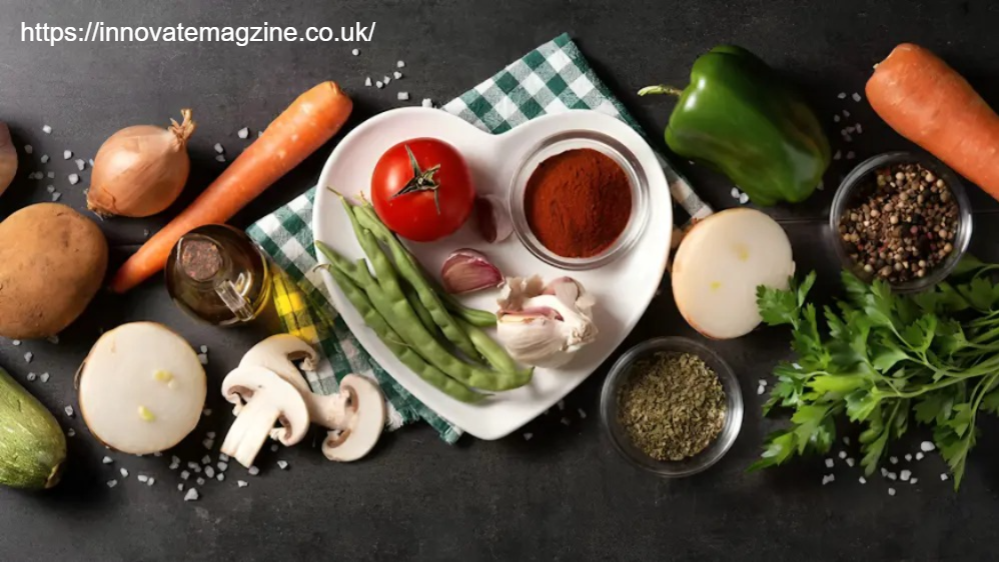
Another critical ingredient is the onion. Chopped and sautéed, onions provide an aromatic base that complements the meat, enhancing the savory qualities of the dish. Additionally, fresh herbs like parsley or dill can be added for a burst of freshness, balancing the richness of the meat and spices. Selecting fresh, vibrant herbs often elevates the taste and presentation of the qoghundos.
Finally, fat, often in the form of butter or oil, is sometimes incorporated into the dough or used during the cooking process. This ingredient enriches the overall flavor, adds moisture, and aids in achieving a golden-brown color during cooking. The careful selection of these ingredients in qoghundos is essential; high-quality elements promise authentic and delicious results.
Variations of Qoghundos and Their Ingredients
Qoghundos, a beloved dish renowned for its rich flavors and comforting texture, showcases a remarkable flexibility that allows for diverse interpretations across different cultures. Each region often brings its unique twist to the traditional recipe, adapting the core ingredients in qoghundos to reflect local tastes, traditions, and available resources. For instance, in Middle Eastern variations, the inclusion of spices like cumin and coriander can enhance the depth of flavor, while Mediterranean styles may incorporate olives or feta cheese, adding a tart tang that contrasts beautifully with the dish’s inherent richness.
Furthermore, dietary restrictions often play a crucial role in how ingredients in qoghundos are selected. In vegetarian versions, cooks might replace meat with an abundant variety of vegetables, legumes, or even tofu, ensuring that the dish remains satisfying while accommodating those who follow plant-based diets. Similarly, gluten-free options might utilize alternative grains, such as quinoa or rice, to maintain the dish’s essence without compromising dietary needs.
Additionally, personal preferences often dictate the choice of ingredients in qoghundos. Creative cooks may experiment with non-traditional ingredients such as diverse nuts or dried fruits, resulting in unique flavor profiles that distinguish their dishes from classical preparations. For example, a chef might introduce pistachios or apricots into the mix, thus infusing the dish with a delightful contrast of flavors and textures.
These variations not only enrich the culinary landscape of qoghundos but also highlight the dish’s ability to transcend cultural boundaries, allowing for a spectrum of adaptations that can be enjoyed by many. As qoghundos continues to evolve, the creative possibilities surrounding its ingredients remain boundless.
Tips for Preparing Qoghundos with the Right Ingredients
Preparing qoghundos effectively hinges on the careful selection and application of its ingredients. To achieve the best flavor and texture, begin by ensuring that all ingredients are fresh and of high quality. This includes opting for ripe fruits, aromatic spices, and high-grade nuts, as these elements significantly enhance the overall dish.
When it comes to preparation methods, consider roasting the nuts before incorporating them into the qoghundos for extra depth of flavor. Toasting not only intensifies their natural oils but also adds a delightful crunch. Additionally, chop the fruits into uniform pieces to ensure even cooking and integration within the mixture.
It is also important to pay attention to the balance of flavors. For instance, if the main ingredient is sweet, complement it with a hint of acidity or saltiness. A sprinkle of citrus juice can brighten up the dish, while a pinch of salt can deepen the flavors. Experimenting with different spices such as cinnamon or cardamom can also contribute to a more sophisticated profile without overpowering the primary ingredients.
Common pitfalls to avoid include overcooking the qoghundos, which can lead to a mushy texture that does not hold its shape. Instead, focus on a shorter cooking time at a moderate temperature to preserve both texture and flavor. It is also advisable to let the mixture rest before serving; this allows the flavors to meld beautifully.
To elevate the qoghundos experience, consider pairing them with yogurt or a drizzle of honey when serving. The creamy yogurt contrasts pleasantly with the sweet ingredients in qoghundos, creating a harmony of flavors while honey adds an additional layer of sweetness. Such pairings enhance not only the taste but also the presentation of the dish.
Read more about News.
Read more about Lubli.